

The LGBTQ Equity in HIV Prevention and Treatment Series
A multi-module series from HealthHIV and the National Coalition for LGBTQ Health to strengthen workforce capacity to provide comprehensive care to LGBTQ persons.
The LGBTQ Equity in HIV Prevention and Treatment Series is an online, self-paced CME accredited program composed of eight modules addressing strategies to reduce HIV disparities among LGBTQ populations.
Content focuses on overcoming systemic barriers that persist in health access, such as literacy and education gaps, language justice, systemic discrimination, and healthcare misinformation or distrust. By highlighting these barriers and emphasizing an equity focus, the series aims to improve access to HIV prevention and treatment options among LGBTQ persons — especially those who are historically and routinely affected by the syndemics of ongoing and emerging epidemics, such as gay/bisexual Black and Latino men and transgender persons.
Educational Objectives
After completing this activity, the participant should be better able to:
- Increase knowledge of how intersectionality of sexual orientation, gender identity, race/ethnicity and HIV status impacts stigma in healthcare.
- Integrate culturally-sensitive strategies for engaging same- gender-loving Black and Latino men and transgender women in HIV prevention and care.
- Identify key strategies for addressing behavioral health, mental health and substance use in LGBTQ-focused HIV prevention and care.
- Implement individualized and innovative strategies to improve access to HIV prevention and treatment services among LGBTQ persons.
Series Overview
Module 1
Individualizing HIV Prevention and Treatment for LGBTQ Persons
This activity provides an overview of current HIV prevention and treatment options with a focus on tailoring care to the needs and preferences of LGBTQ individuals. Participants will explore patient-centered approaches to sexual history-taking, age-specific care considerations, and integration of STI prevention strategies, including DoxyPEP, into comprehensive HIV prevention planning.
Educational Objectives
Upon completion of this activity, participants will be better able to:
- Describe the range of current HIV prevention and treatment options.
- Demonstrate approaches to assessing patient preferences and needs through sexual health history-taking.
- Identify appropriate HIV interventions for patients of various ages and demographics, including youth.
- Integrate STI prevention strategies, such as DoxyPEP, into HIV prevention planning based on exposure risk and clinical guidance.
Faculty

Asia Sullivan, PA-C, MPH
LGBTQ+ Primary Care Provider
Los Angeles, CA

Joseph Cherabie, MD, MSc
Assistant Professor of Medicine
Washington University School of Medicine
St. Louis, MO
Module 2
Accessing HIV Prevention and Care Services Among LGBTQ Persons
This activity examines the structural and systemic barriers LGBTQ individuals face when accessing HIV prevention and care services. Participants will review evidence-based strategies for improving access, such as navigation support, inclusive care models, and approaches to address stigma, documentation, and insurance-related challenges.
Educational Objectives
Upon completion of this activity, participants will be better able to:
- Recognize the impact of stigma, mistrust, and systemic healthcare barriers on LGBTQ individuals.
- Identify evidence-based approaches to improve access, such as navigation support and inclusive care practices.
- Discuss structural barriers including documentation, insurance, and provider bias and strategies to address them.
Faculty

Hyman Scott, MD, MPH
Medical Director
San Francisco AIDS Foundation
Associate Professor of Medicine
University of California, San Francisco School of Medicine
San Francisco, CA
Module 3
Engaging Same-Gender-Loving Black and Latino Men in HIV Prevention and Care
This activity explores how intersecting factors such as race, ethnicity, sexuality, and systemic discrimination, impact access to HIV prevention and care for Black and Latino same-gender-loving (SGL) men. Participants will examine culturally sensitive engagement strategies that support resilience, reduce barriers, and promote equitable clinical outcomes.
Educational Objectives
Upon completion of this activity, participants will be better able to:
- Examine how race, ethnicity, and sexuality intersect with healthcare barriers.
- Identify strategies to support resilience and engagement in HIV prevention and care.
- Apply culturally sensitive approaches to clinical care for Black and Latino SGL men.
Faculty

Orlando Harris, FNP, PhD, MPH
Associate Professor
University of California, San Francisco School of Nursing
San Francisco, CA
Module 4
Providing Optimal HIV Care to Transgender and Gender Diverse Persons
This activity focuses on the unique epidemiologic, clinical, and social considerations relevant to transgender and gender non-conforming individuals in HIV care. Participants will gain tools to foster inclusive clinical environments, understand the role of gender-affirming care in improving HIV outcomes, and address relevant drug interactions and health disparities.
Educational Objectives
Upon completion of this activity, participants will be better able to:
- Identify core epidemiologic and clinical considerations relevant to transgender and gender non-conforming patients.
- Apply strategies for inclusive and affirming HIV care environments.
- Recognize the impact of gender-affirming care in facilitating HIV engagement.
Faculty

Asa Radix, MD, PhD, MPH
Infectious Disease and HIV Specialist
Callen-Lorde Community Health Center
Associate Professor of Clinical Epidemiology
Columbia University Mailman School of Public Health
New York, NY
Module 5
Addressing HIV and Overall Care Needs and Coordination Among Older Gay and Bisexual Men
This activity highlights the clinical and psychosocial challenges experienced by older gay and bisexual men, particularly those aging with HIV. Participants will explore geriatric-informed care strategies, identify opportunities to address social isolation and mental health, and apply best practices for supporting lifelong prevention and care transitions.
Educational Objectives
Upon completion of this activity, participants will be better able to:
- Recognize aging-related health and social challenges in older LGBTQ adults.
- Apply strategies for integrated and geriatric-informed HIV care.
- Address social isolation, mental health, and long-term prevention needs.
Faculty

Aniruddha Hazra, MD
Associate Professor of Medicine
The University of Chicago, Department of Medicine
Director, ID Fellowship Program
Medical Director, UCM Sexual Wellness Clinic
Director, STI Services for Chicago Center of HIV Elimination
Chicago, IL
Module 6
Advancing LGBTQ HIV Health Equity in the Long-Acting Injectable Era
This educational activity examines how long-acting injectable options for HIV prevention and treatment can be implemented to advance health equity among LGBTQ communities. Participants will review current HIV disparities, available long-acting injectable therapies, and clinical considerations for matching prevention and treatment options to individual patient needs and preferences. The activity also explores barriers to equitable access and provides practical strategies for shared decision-making, patient navigation, care coordination, flexible scheduling, community-informed education, and the development of affirming clinical environments.
Educational Objectives
Upon completion of this activity, participants will be better able to:
- Describe current HIV disparities affecting LGBTQ communities.
- Summarize available long-acting injectable options for HIV prevention and treatment.
- Discuss considerations for matching HIV care options to LGBTQ patients’ needs and preferences.
- Identify strategies for implementing long-acting injectables in ways that advance LGBTQ health equity.
Faculty
Joseph Cherabie, MD, MSc
Assistant Professor of Medicine
Washington University School of Medicine
St. Louis, MO
Module 7
Addressing Behavioral Health Needs Among LGBTQ Individuals in HIV Prevention and Care Settings
This educational activity examines behavioral health disparities affecting LGBTQ individuals and their influence on engagement in HIV prevention and care. Through evidence-based frameworks, practical clinical strategies, and a longitudinal patient case, participants will explore how minority stress, trauma, substance use, social determinants of health, and prior healthcare experiences can affect behavioral health and healthcare engagement. The activity provides actionable guidance for recognizing behavioral health needs, initiating supportive conversations, and applying trauma-informed, harm reduction, and patient-centered approaches to strengthen trust, facilitate connections to appropriate resources, and support continued engagement in care.
Educational Objectives
Upon completion of this activity, participants will be better able to:
- Describe behavioral health disparities affecting LGBTQ populations.
- Explain how minority stress, syndemic theory, and social determinants of health may contribute to and exacerbate adverse mental health among LGBTQ populations.
- Apply trauma-informed and harm reduction communication strategies when caring for LGBTQ individuals.
- Identify practical approaches to recognize behavioral health needs and support engagement in HIV prevention and care settings.
Faculty

Samuel R Bunting, MD, MHSA
Module 8
Engaging LGBTQ Youth and Young Adults in HIV Prevention and Care
This educational activity examines the developmental, psychosocial, and structural factors affecting HIV vulnerability and healthcare engagement among LGBTQ adolescents and young adults. Through evidence-based guidance and a case-based clinical scenario, participants will explore barriers related to minority stress, stigma, confidentiality, insurance, healthcare autonomy, transportation, housing instability, and access to affirming services. The activity provides practical strategies for building trust, communicating in youth-centered and affirming ways, supporting informed prevention choices, and connecting LGBTQ youth with appropriate clinical, behavioral health, peer, community, and telehealth resources.
Educational Objectives
Upon completion of this activity, participants will be better able to:
- Describe factors contributing to HIV vulnerability and disparities among LGBTQ adolescents and young adults.
- Identify developmental, psychosocial, and structural barriers affecting engagement in HIV prevention and care.
- Apply youth-centered and affirming communication strategies.
- Implement practical approaches to improve engagement, retention, and linkage to HIV prevention and treatment services.
Faculty
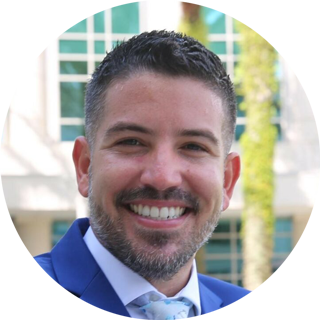
Omar Martinez, JD, MPH, MS
Joseph Cherabie, MD, MSc
Assistant Professor of Medicine
Washington University School of Medicine
St. Louis, MO
Accreditation, Credit, and Support
In support of improving patient care, HealthHIV is jointly accredited by the Accreditation Council for Continuing Medical Education (ACCME), the Accreditation Council for Pharmacy Education (ACPE), and the American Nurses Credentialing Center (ANCC), to provide continuing education for the healthcare team.



Main Menu
Additional Resources
© Copyright 2026 National Coalition for LGBTQ Health. All rights reserved. | Privacy Policy | Site Map